

Key Takeaways for Parents:
- Your child has more chances to experience a “Nationals,” even at lower levels.
- Younger skaters (preliminary and pre-juvenile) are now officially part of the qualifying system.
- Advancement gets more competitive with fewer spots at Sectionals.
- Qualifying skaters gain extra support and visibility through the Development Team.
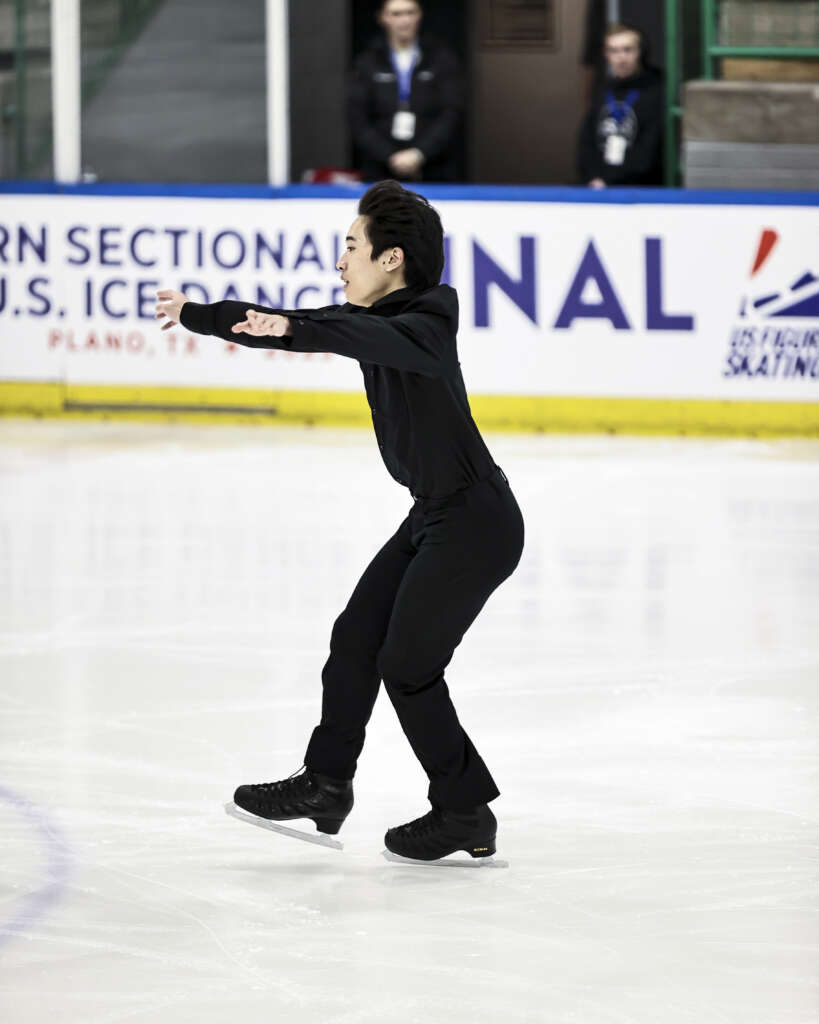
U.S. Figure Skating recently approved several major updates to the qualifying pipeline, and for parents of younger skaters, the changes bring both new opportunities and important shifts to how athletes move through the system. Most of these updates will take effect in the 2026–27 qualifying season, with one new rule for seniors beginning in 2025–26.
Table of Contents

Here’s what it means for your skater:
Younger Levels Will Now Have a Nationals
For the first time after COVID, juvenile, intermediate, and novice singles, pairs, and ice dance athletes will have their own Championship event. This is separate from the U.S. Figure Skating Championships, but it will function like a national-level competition just for these categories. The last time lower levels had a nationals was back in 2019.
- Singles: The top four from each Sectional Singles Final (12 total) will qualify.
Note: Novice singles will no longer “accelerate” straight into junior-level events. - Pairs: The top eight at the U.S. Pairs Final will move on.
- Ice Dance: The top ten at the U.S. Ice Dance Final will qualify.
This new event means lower-level skaters will now get a true “nationals” experience, something that has often been reserved only for junior and senior athletes.
Preliminary and Pre-Juvenile Enter the Pipeline
Another big shift: preliminary and pre-juvenile singles will now be part of the National Qualifying Series (NQS). These athletes will be able to earn scores and potentially advance to their Sectional Singles Final, just like older levels.
- A total of 18 per event will qualify (4 per region + 6 best scores nationally).
- This provides an earlier entry point into the competitive track, giving kids and families a clearer sense of progression.
Smaller Groups at Sectionals
For juvenile, intermediate, and novice singles, the number of qualifiers from NQS to Sectionals is being reduced from 24 skaters per section to 18. That means fewer spots overall, but also a more streamlined and competitive field.
A Development Pathway with Support
All qualifiers for this new lower-level Championship event will also be named to the National High-Performance Development Team. That brings perks like:
- National Development Camp: In the past, this camp was scheduled right before or after the senior U.S. Championships in January. Going forward, it will be held separately in the spring or summer. This shift makes sense—since the athletes attending camp will now be preparing for their own Nationals, they’ll have the space and focus to maximize both experiences.
- Training and Mentorship: Camp participants will gain access to specialized training, coaching, and mentoring from top-level professionals.
- Broader Visibility: Being part of the Development Team puts skaters on the radar nationally, highlighting them as athletes to watch and support (major bonus: the most coveted jackets!), ensuring athletes are supported early in their careers.
- Additional Selections: While all Championship qualifiers automatically join the Development Team, the High-Performance Department may also name additional skaters based on published criteria at the Finals.
Together, these changes signal U.S. Figure Skating’s commitment to investing in young athletes earlier and helping them thrive long-term in the sport.
Open Juvenile Removed from the Championship Track
One of the changes parents of younger skaters should note is that open juvenile will no longer be part of the qualifying system. It’s not included in NQS or in the new Championship pathway.
For skaters who don’t meet age requirements at the juvenile level, the Excel track will be the alternative pathway.
Seniors Face a Higher Standard
For parents of senior-level skaters: beginning in the 2025–26 season, athletes must earn a minimum Total Element Score (TES) to qualify from NQS to Sectionals. This ensures only skaters meeting a baseline technical level can advance.
What This Means for Families
- More opportunities for younger skaters: Juvenile through novice athletes now have a nationals of their own, making the competitive journey more exciting and rewarding.
- Earlier entry into the system: Preliminary and pre-juvenile families can now experience the qualifying process and see how their skater measures up.
- Higher expectations for advancement: With fewer spots at Sectionals and TES minimums for seniors, the pathway is more competitive.
- Support for development: Qualifying skaters gain access to camps and national recognition, offering more resources to grow in the sport.
Bottom Line
For parents, the big takeaway is this: your child doesn’t have to wait until junior or senior to have a nationals experience anymore. With the addition of a Championship event for juvenile, intermediate, and novice, plus NQS access for preliminary and pre-juvenile, U.S. Figure Skating is broadening the competitive landscape for younger athletes while also tightening standards at the top.
Qualifying System Changes: Old vs. New
| Category | Old System | New System (Starting 2026–27) |
|---|---|---|
| Nationals for Juvenile–Novice | No national event for these levels. Only junior and senior skaters competed at U.S. Championships. | Yes. Juvenile, intermediate, and novice singles, pairs, and ice dance now have their own Championship event (separate from U.S. Championships). |
| Singles Qualifiers (Juvenile–Novice) | 24 per section advanced from NQS to Sectionals. | 18 per section advance (4 per region + 6 best scores nationally). |
| Preliminary & Pre-Juvenile | Not included in NQS or Sectionals. | Added to the National Qualifying Series (NQS) and can advance to Sectionals (18 per event). |
| Novice Singles Acceleration | Novice singles could accelerate directly to junior events if they qualified high enough. | No more acceleration. Novice stays on its own track, leading to the new Championship. |
| Open Juvenile | Included as an event option in some pathways. | Removed. Not part of NQS or Championship track. Skaters may enter the Excel track instead. |
| National Development Opportunities | Juvenile to novice skaters (though the National Development Camp was optional to novice who qualified for the junior nationals) | All qualifiers to the new Championship will be named to the National High-Performance Development Team, with access to camps and resources. |
| Senior Qualifying Standards | Seniors advanced through NQS without a minimum score requirement. | Starting in 2025–26, seniors must achieve a minimum Total Element Score (TES) to move from NQS to Sectionals. |
Parent FAQ
Will my child now have a Nationals if they are not junior or senior?
Yes! Starting in the 2026–27 season, juvenile, intermediate, and novice skaters in singles, pairs, and ice dance will have their own Championship event. This is separate from the U.S. Championships but will be a true national-level competition for younger athletes.
How do skaters qualify for this new Championship?
Singles: Top 4 from each Sectional Singles Final (12 total).
Pairs: Top 8 from the U.S. Pairs Final.
Ice Dance: Top 10 from the U.S. Ice Dance Final.
Will preliminary and pre-juvenile skaters be included?
Yes. For the first time, preliminary and pre-juvenile singles will be part of the National Qualifying Series (NQS). They can advance to their Sectional Singles Final, with 18 spots available per event (4 per region + 6 best scores nationally).
Are Sectionals changing for juvenile, intermediate, and novice?
Yes. The number of qualifiers will shrink from 24 to 18 per section, making the competition smaller but also more selective.
What happens if my child qualifies for the new Nationals?
They’ll also be named to the National High-Performance Development Team. This comes with perks like training camps, mentoring, and recognition as a nationally tracked athlete.
What about Open Juvenile?
Open juvenile is being removed from the Championship pathway. Skaters not meeting age requirements at juvenile can instead compete in the Excel track.
Are there new requirements for seniors?
Yes. Starting in 2025–26, seniors will need to earn a minimum Total Element Score (TES) to qualify from NQS to Sectionals.
